The Lab2Slab Framework
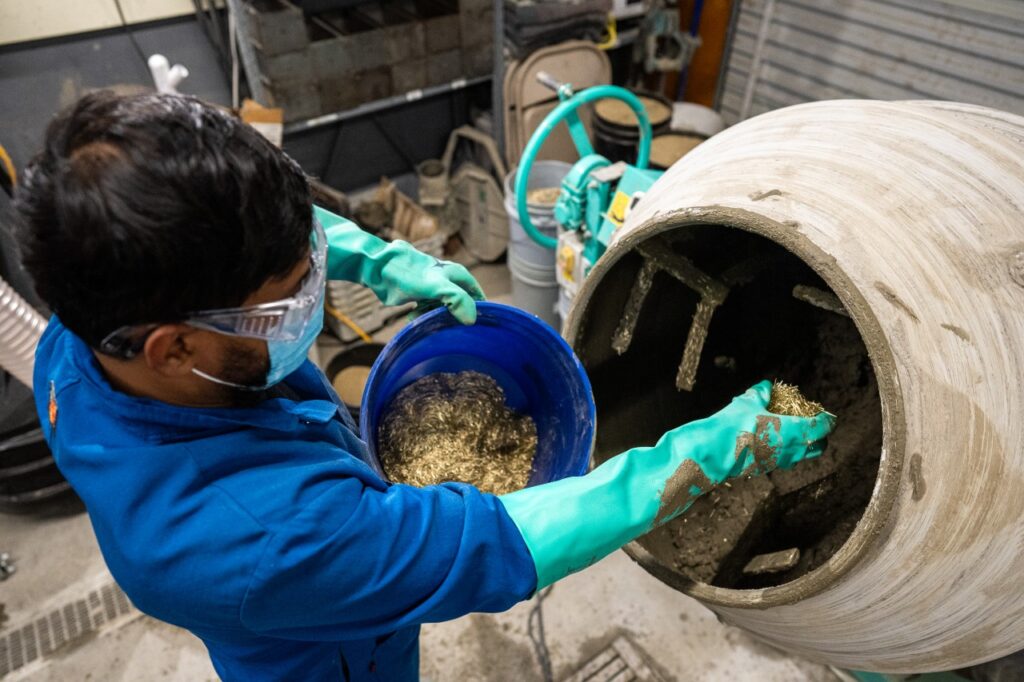
Lab2Slab follows a structured, stepwise evaluation process developed at the University of California Pavement Research Center (UCPRC) to assess supplementary cementitious materials (SCMs) and sustainable cements. Materials are evaluated across key performance metrics, including engineering strength, scalability, cost, constructability, and environmental impact, through a progression from laboratory testing to full-scale field implementation. This approach allows researchers and industry partners to generate reliable, field-relevant performance data in a controlled, data-driven manner before materials are deployed in real-world projects. By reducing uncertainty and risk, the Lab2Slab framework helps shorten material adoption timelines from more than 10 years to approximately 2-5 years. To learn more about the Lab2Slab framework, visit the Implementation Path webpage.
Lab2Slab Test Track Initiative
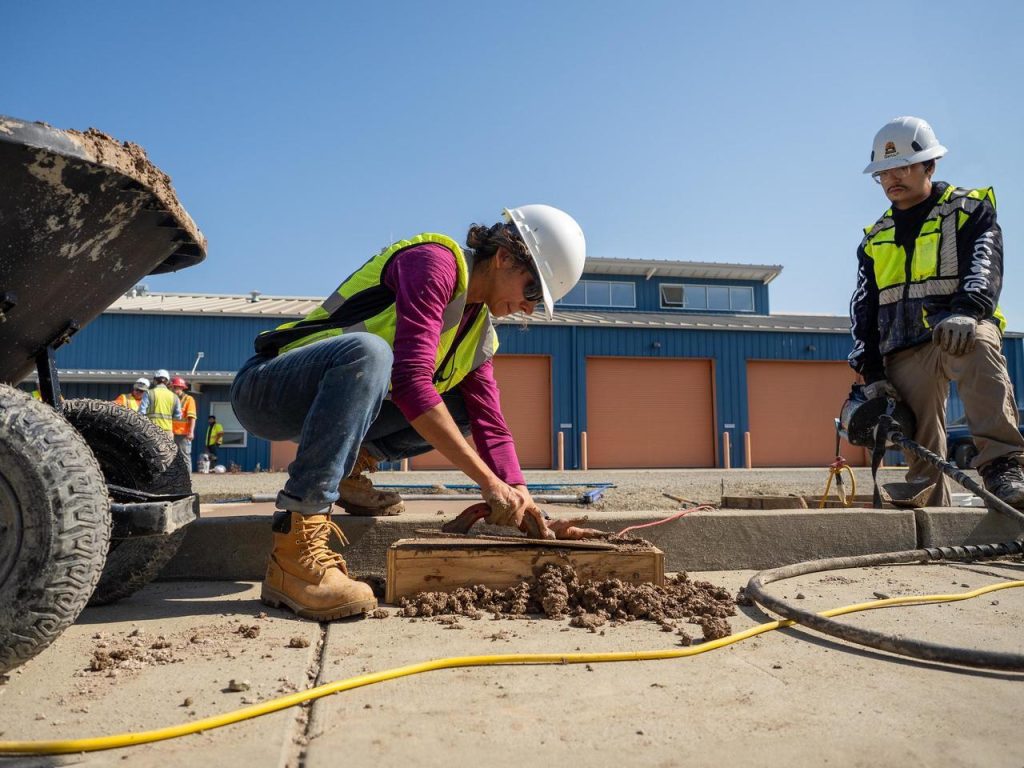
In April 2025, Lab2Slab began constructing a series of test track slabs to evaluate sustainable concrete materials under real-world conditions. These installations bridge the gap between laboratory testing and field performance, allowing materials to be monitored under environmental exposure. Performance data from these installations are documented and shared through the Field Installations section of the website.
Industry Engagement, Construction, and Monitoring
We invite SCM and cement suppliers to contribute materials for test track construction and encourage construction industry partners to participate through concrete supply or construction support. We are committed to transparency and open data sharing, providing all performance and construction data through standardized reporting (see Reports & Publications). Open houses are also held to allow stakeholders to visit the test tracks during construction and observe slab performance under environmental conditions (see News & Events).